Did you know that the average person spends over a year of their life in the bathroom? That’s a significant chunk of time, making the choices we make about its renovation — particularly the materials — incredibly impactful. It’s not just about a fresh coat of paint or a shiny new faucet; the very foundation of your bathroom’s success lies in its constituent parts. But with a dizzying array of options out there, how do you discern the truly superior bathroom renovation materials from the merely passable? Let’s dive in and explore.
The Foundation: What’s Underneath Matters
Before we even think about tile or paint, it’s crucial to consider what lies beneath. The integrity of your bathroom hinges on its structural components, and selecting the right materials here can prevent future headaches.
#### Framing and Subflooring: The Unseen Heroes
Often overlooked, the framing and subflooring are critical for long-term stability. For framing, lumber remains a popular choice, but pressure-treated lumber is essential in areas prone to moisture to ward off rot and mold. For subflooring, plywood or OSB (Oriented Strand Board) are common. The key is ensuring a solid, level base that can support the weight of tiles, fixtures, and, well, people. Water-resistant sheathing can also offer an extra layer of defense against leaks.
#### Plumbing: The Lifeblood of Your Space
Modern plumbing systems offer a variety of bathroom renovation materials. Copper pipes have long been the gold standard for their durability and resistance to corrosion, though they can be more expensive and labor-intensive to install. PEX (cross-linked polyethylene) tubing has gained significant traction due to its flexibility, ease of installation, and lower cost, making it a compelling option for many homeowners. Regardless of the material, ensuring professional installation and proper sealing is paramount to prevent leaks and water damage.
Walls and Floors: Where Beauty Meets Brawn
This is where the visual transformation truly begins. The choices here dictate not only the aesthetic but also the practicality and maintenance requirements of your bathroom.
#### Tile Temptations: Beyond Ceramic
Tile is, undoubtedly, a dominant force in bathroom design. Ceramic tile remains a budget-friendly and versatile option, available in countless colors, patterns, and sizes. Porcelain tile, a denser and less porous cousin to ceramic, offers superior durability and water resistance, making it an excellent choice for shower walls and floors.
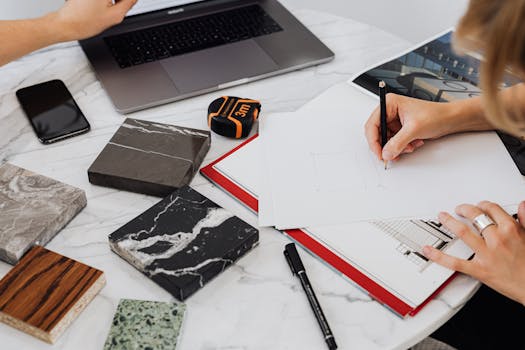
But have you considered natural stone? Marble, granite, and slate bring a luxurious, unique appeal. However, they often require sealing to prevent staining and can be more costly and demanding in terms of maintenance. For a more modern, minimalist look, large-format tiles can minimize grout lines, creating a seamless feel. And for areas where slip resistance is paramount, textured or matte finishes are your best friend.
#### Waterproofing: The Invisible Shield
No discussion of bathroom renovation materials is complete without emphasizing waterproofing. This isn’t a material you see, but it’s arguably the most critical. Before tiling walls or floors, especially in shower areas, a robust waterproofing membrane is indispensable. Options range from liquid-applied membranes to sheet membranes, all designed to prevent water from seeping into the subfloor and walls, thus averting mold growth and structural damage. Skimping here is a recipe for disaster.
Fixtures and Finishes: The Details That Define
These are the elements that truly personalize your bathroom and dictate its functionality. From sinks to tubs to the smallest hardware, each choice contributes to the overall experience.
#### Sink Sensations: Material Matters
Porcelain: Classic, durable, and easy to clean, porcelain sinks are a perennial favorite. They offer a bright, clean look and are relatively affordable.
Ceramic: Similar to porcelain but often with a slightly warmer feel, ceramic sinks are also a solid choice for everyday use.
Solid Surface: Materials like Corian offer a seamless, non-porous surface that is highly resistant to stains and impact. They can be molded into various shapes, offering unique design possibilities.
Natural Stone: For a truly bespoke and luxurious feel, consider sinks carved from granite, marble, or travertine. They are undeniably beautiful but require diligent care.
Stainless Steel: While more common in kitchens, stainless steel sinks can offer a sleek, modern, and highly durable option for bathrooms, particularly in minimalist designs.
#### Tub Truths and Shower Solutions
When it comes to tubs, acrylic is a popular choice for its affordability, lightweight nature, and good insulation properties. Cast iron tubs are incredibly durable and offer excellent heat retention, though they are very heavy and expensive. Stone resin tubs provide a luxurious, high-end feel with excellent durability.
For showers, prefabricated shower stalls offer convenience and ease of installation. However, custom-tiled showers, when properly waterproofed and installed with high-quality tiles and grout, offer unparalleled design flexibility and a truly spa-like experience. Schluter systems and other specialized waterproofing solutions are essential for these custom builds.
#### Faucets and Hardware: The Finishing Touches
The finish on your faucets, towel bars, and other hardware can significantly impact the bathroom’s overall aesthetic and longevity.
Chrome: A classic, highly reflective finish that is durable and easy to clean.
Brushed Nickel: Offers a softer, matte look that hides water spots better than chrome.
Bronze/Oil-Rubbed Bronze: Provides a warm, traditional, or rustic feel.
Matte Black: A contemporary and bold choice that has become increasingly popular.
Brass/Gold Finishes: Adding a touch of glamour and sophistication.
When selecting these, consider not just the look but also the material quality and the finish’s durability. Cheaper finishes can chip or wear off over time, leading to a less-than-ideal appearance.
Beyond the Surface: Sustainability and Smart Choices
As we become more conscious of our environmental impact, the bathroom renovation materials we choose can reflect our values.
#### Eco-Conscious Options
Recycled Content: Look for tiles, countertops, and even composite materials made with recycled glass or plastics.
Sustainable Sourcing: Consider wood from responsibly managed forests or natural stone quarried with minimal environmental impact.
* Low-VOC Finishes: Paints and sealants with low Volatile Organic Compounds (VOCs) contribute to better indoor air quality.
#### Longevity as Sustainability
Sometimes, the most sustainable choice is simply the most durable. Investing in high-quality, long-lasting materials means you’ll need to replace them less often, reducing waste and resource consumption over time. It’s a thoughtful approach that often pays dividends.
The Final Splash: Making Informed Decisions
Choosing the right bathroom renovation materials is a journey that requires careful consideration. It’s about balancing aesthetics with practicality, durability with budget, and personal style with long-term value. Don’t be afraid to ask questions, do your research, and even consult with professionals. Remember, the materials you select will shape your daily experience in this essential space for years to come.
Wrapping Up: Your Bathroom’s Material Legacy
Ultimately, the success of your bathroom renovation hinges on the thoughtful selection of its constituent parts. From the unseen structural elements to the gleaming fixtures, each material plays a vital role. By understanding the properties, benefits, and potential drawbacks of various bathroom renovation materials, you empower yourself to create a space that is not only beautiful but also functional, durable, and a true reflection of your discerning taste. Make informed choices today for a bathroom that stands the test of time.